LPG Conversion Kit vs CNG Conversion Kit: Which is Better for Your Market?
News Details
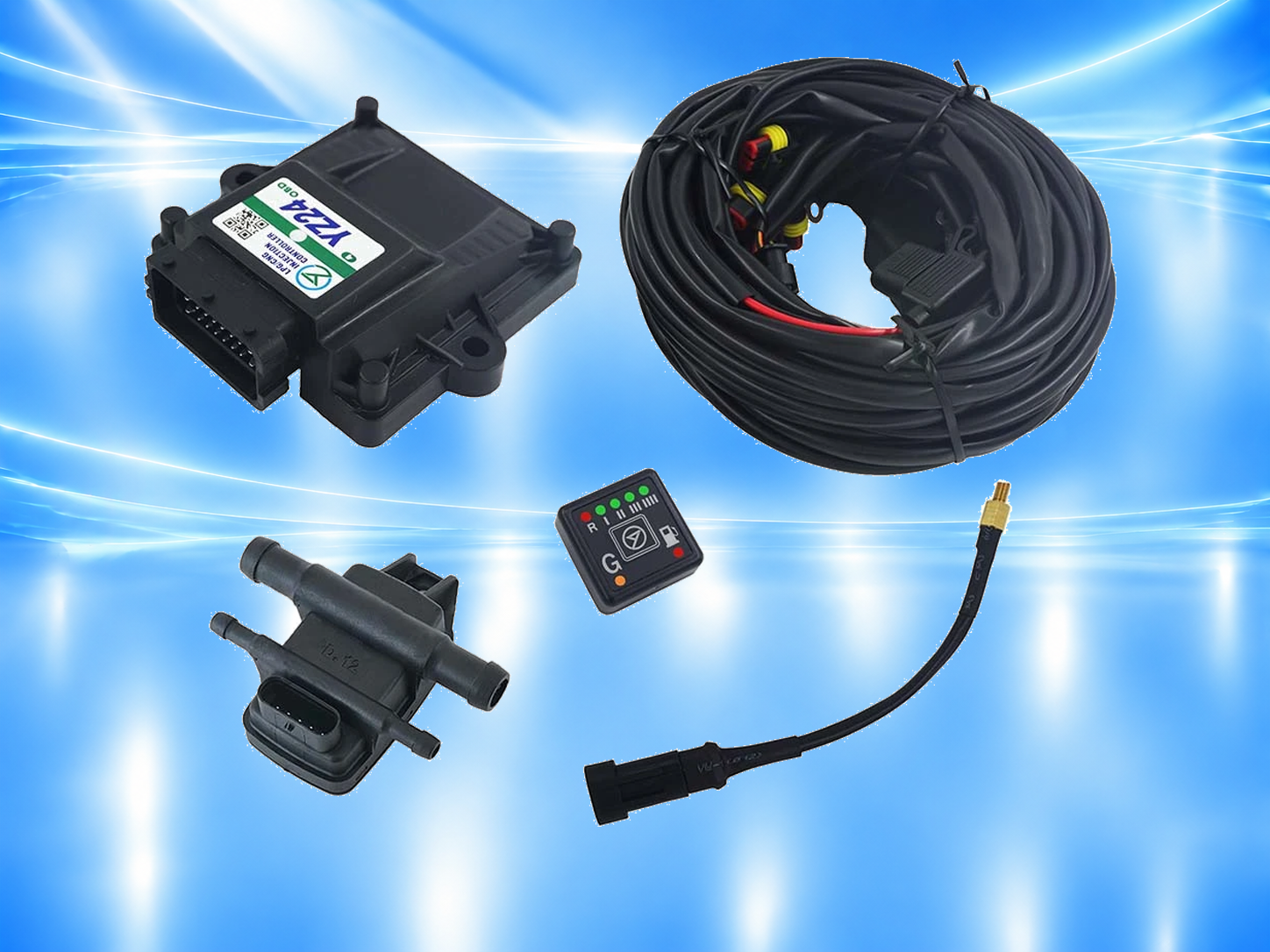
LPG and CNG are two common gas fuels used in petrol vehicle conversions. Both can help drivers lower fuel costs where gas is cheaper than petrol. However, they use different storage systems, fuel pressures, and parts.
For auto parts distributors and conversion workshops, choosing between an LPG conversion kit and a CNG conversion kit is an important business decision.
The right choice depends on local fuel prices, filling stations, vehicle types, and customer needs.
In this guide, we compare cng vs lpg conversion and explain how to choose the right autogas kit for your market.
What Is the Difference Between LPG and CNG Conversion Kits?
LPG stands for liquefied petroleum gas. It mainly contains propane and butane. Vehicles store it as a liquid under pressure.
CNG stands for compressed natural gas. It mainly contains methane and is stored as a gas at much higher pressure.
Both systems can allow a suitable petrol engine to run on gas. However, they need different fuel storage and delivery parts.
|
Feature |
LPG Conversion Kit |
CNG Conversion Kit |
|
Fuel |
Liquefied petroleum gas |
Compressed natural gas |
|
Main fuel content |
Propane and butane |
Methane |
|
Storage |
Pressurized liquid |
High-pressure gas |
|
Typical storage pressure |
Much lower than CNG |
Often around 200 bar at nominal filling conditions |
|
Main parts |
LPG ECU, reducer, injectors, tank |
CNG ECU, reducer, injectors, cylinder |
|
Fuel tank |
Often compact, including toroidal designs |
Usually heavier high-pressure cylinders |
|
Best market fit |
Areas with strong LPG supply |
Areas with strong CNG supply |
Although both systems serve a similar purpose, their fuel tanks, reducers, valves, and other pressure-related parts are not interchangeable.
Therefore, buyers must choose components made for the correct fuel.
How Does an Autogas Conversion Kit Work?
An autogas kit adds a gas fuel system to a suitable petrol vehicle.
In a common bi-fuel setup, the vehicle keeps its original petrol system. The driver can then use petrol or gas.
Both LPG and CNG conversion systems follow a similar process:
1. The fuel tank or cylinder stores the gas fuel.
2. A reducer controls the fuel pressure.
3. Sensors measure pressure and temperature.
4. A gas ECU controls the injection system.
5. Gas injectors deliver fuel to the engine.
The main difference is how each fuel is stored and prepared for injection.
For example, a common vapor-phase LPG system uses a reducer-vaporizer to turn liquid LPG into gas before injection.
A CNG system, on the other hand, reduces the pressure of compressed natural gas before sending it to the injectors.
As a result, each fuel needs its own matched parts and setup.
LPG vs CNG Conversion: Which Costs Less?
Fuel cost is often the first question buyers ask.
However, there is no single answer for every country.
LPG and CNG prices vary by region. Vehicle fuel use also depends on engine size, driving conditions, and system calibration.
To compare costs, buyers should look at the price of driving the same distance.
For example, compare the cost per 100 km for petrol, LPG, and CNG.
Then, add the cost of the conversion kit, installation, regular service, and any required inspections.
CNG cylinders can also be heavy and take up more space. Meanwhile, LPG tanks may offer more flexible installation options in some passenger cars.
Therefore, the cheapest fuel at the pump does not always mean the lowest total cost.
Which Markets Are Better for LPG Conversion Kits?
LPG conversion kits are a strong option in countries with an established LPG filling network.
They can suit private cars, taxis, and other petrol vehicles that travel long distances each year.
LPG autogas has an established presence in several markets, including Turkey, Poland, and Italy.
However, demand can differ by city and vehicle type.
Before entering an LPG market, distributors should check:
Local LPG station coverage
Petrol and LPG price differences
Popular petrol engine types
Vehicle conversion rules
Demand from workshops and fleet owners
For example, a market with many older MPI petrol cars may have different kit needs from one with a high share of direct-injection vehicles.
Therefore, engine fit matters as much as fuel availability.
Which Markets Are Better for CNG Conversion Kits?
CNG conversion kits are often a better fit where natural gas supply and filling stations are well developed.
They may appeal to taxis, delivery vehicles, and other high-mileage users.
CNG also has an established role in parts of South America and Asia, although demand varies by country and region.
For distributors, key questions include:
Are CNG filling stations easy to access?
Is CNG cheaper than petrol per kilometer?
Which vehicle models are commonly converted?
Are approved cylinders and parts available?
Can local workshops install and service CNG systems?
CNG can be attractive for fleets that follow fixed routes and have reliable access to filling stations.
However, a market with limited CNG infrastructure may not support strong conversion demand.
NGV-SC CNG and LPG Conversion Solutions
NGV-SC develops and manufactures electronic control systems and parts for CNG and LPG vehicle conversions.
Its product range includes gas ECUs, ignition controllers, injector rails, pressure reducers, sensors, valves, and related parts.
The company offers different ECU options for various engine needs.
NGV-SC YZ48 OBD CNG Conversion System
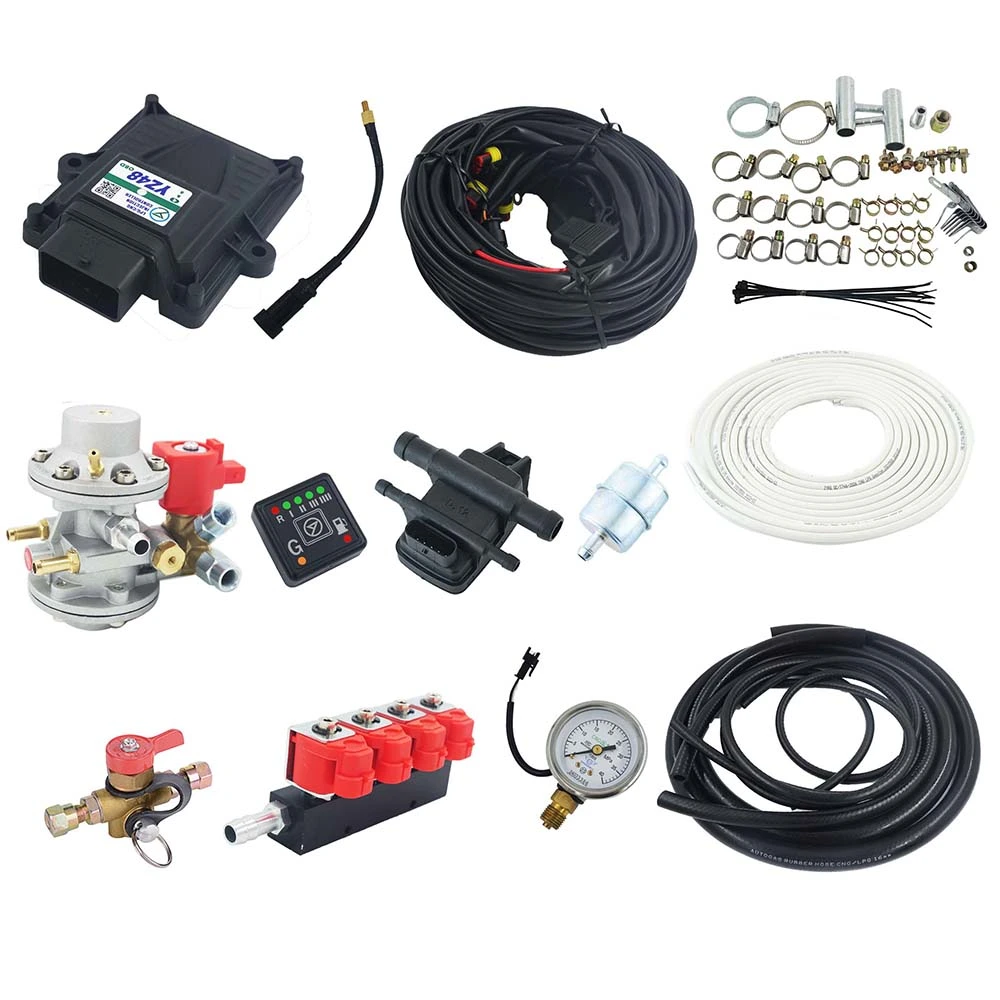
The NGV-SC YZ48 OBD CNG Conversion System is designed for suitable three- and four-cylinder petrol engines.
Key features include:
48-pin gas ECU
OBD support
8–16V supply voltage
Gas pressure and temperature sensors
Injector rail and pressure reducer options
Wiring harness and change-over switch
This system can help workshops source key electronic and gas delivery parts for compatible petrol-to-CNG conversions.
However, buyers should confirm the vehicle model, engine type, and exact kit contents before ordering.
Explore the NGV-SC CNG Conversion System range for more product options.
NGV-SC LPG Conversion Components
NGV-SC also supplies parts for LPG conversion systems, including electronic control units, LPG reducers, injectors, sensors, and valves.
For example, its RTL-01 LPG reducer is designed for LPG fuel pressure control.
Because LPG and CNG use different fuel conditions, buyers should confirm the correct reducer, injector, and valve specifications for each project.
NGV-SC also offers OEM/ODM services for distributors that need custom branding or product settings.
How to Choose the Right Dual Fuel Kit for Your Customers
A dual fuel kit is often used as a general term for vehicle gas conversion products. However, many petrol cars converted to LPG or CNG are more precisely called bi-fuel vehicles because they can run on either petrol or gas.
When selecting a system, focus on five factors.
1. Local fuel supply
Choose the fuel that customers can buy easily. A low fuel price has little value if filling stations are far away.
2. Vehicle compatibility
Check the engine type, cylinder count, power, and fuel injection system.
3. Product quality
Choose a supplier that provides matched ECUs, reducers, injectors, and sensors.
4. Installation support
Make sure workshops have the right tools, wiring guides, and calibration support.
5. Local safety rules
Check the approval rules for gas cylinders, tanks, valves, and other parts. Qualified installers should handle all conversions.
Frequently Asked Questions
Is LPG better than CNG for petrol cars?
Neither fuel is always better. LPG may suit markets with strong LPG station coverage, while CNG may be more attractive where natural gas is widely available and affordable.
Can one conversion kit work with both LPG and CNG?
Some electronic control platforms may support both fuels. However, LPG and CNG need different fuel storage and pressure-control parts. Never assume that a complete kit can use both fuels without the correct components and setup.
Can every petrol car use an LPG or CNG conversion kit?
No. The engine type, vehicle condition, available installation space, and local rules all affect conversion suitability.
What should distributors check before ordering autogas kits?
Check engine compatibility, product specifications, kit contents, local approvals, spare parts supply, and technical support.
Find the Right Autogas Kit for Your Market
Choosing between LPG and CNG starts with understanding your local market.
LPG may be a good choice where filling stations are common and passenger car demand is strong. CNG may suit markets with reliable natural gas supply and high-mileage vehicle use.
In both cases, the right conversion kit must match the engine and meet local safety needs.
NGV-SC offers CNG and LPG control systems, conversion components, and OEM/ODM services for overseas distributors and workshops.
Visit NGV-SC to explore available products or contact the team with your target market, vehicle models, and purchase needs.


