Turbo Engine CNG & LPG Conversion: A Practical Guide
News Details
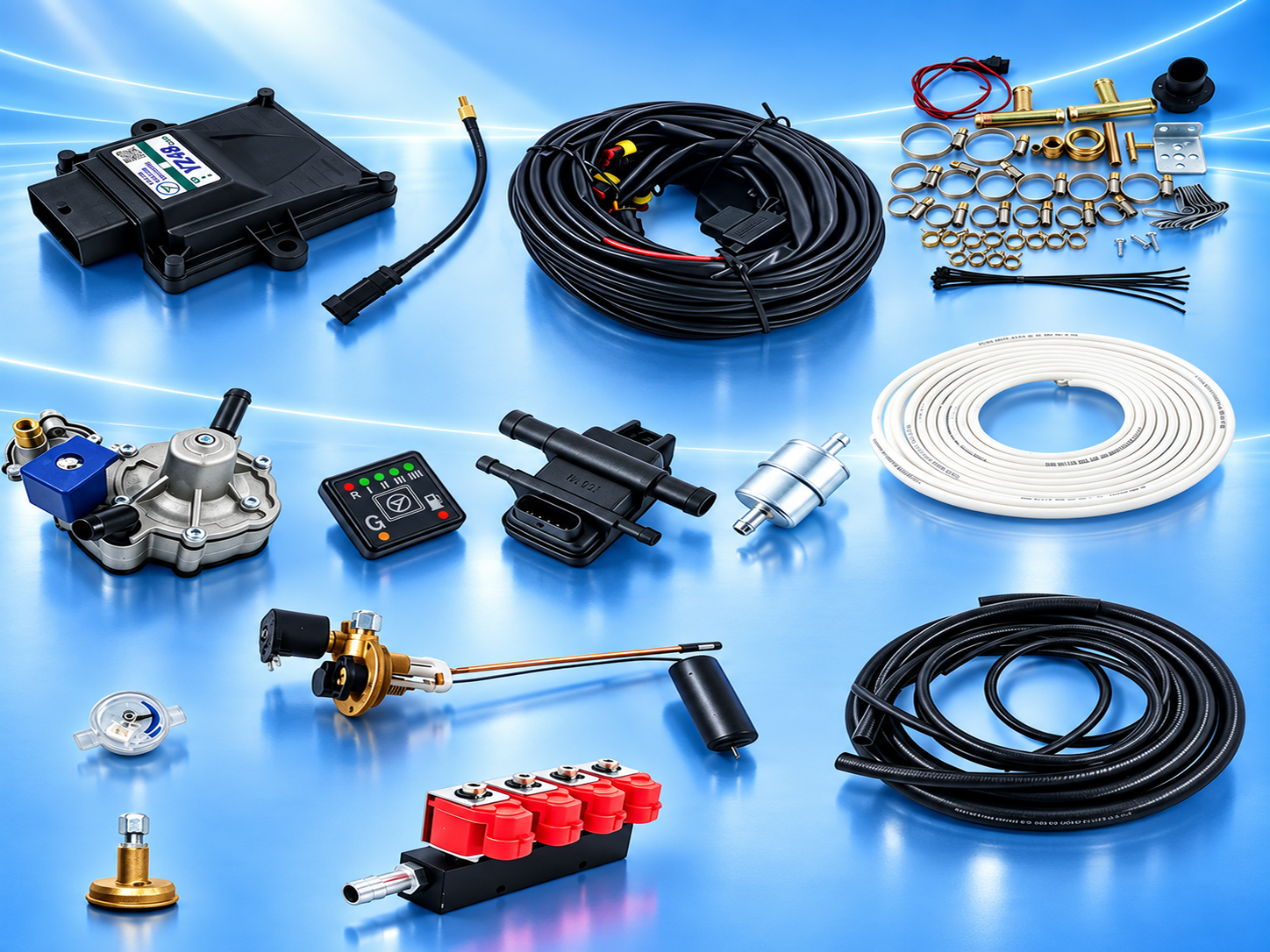
More drivers and workshops are considering CNG and LPG conversion for turbocharged petrol engines. Gas fuel can help lower running costs in markets where it costs less than petrol.
However, turbo engines need special care. Boost pressure increases fuel demand, while high engine loads make fuel control more difficult.
Not every turbo engine can use a standard gas conversion kit.
This guide explains how to check turbo engine CNG LPG conversion suitability, choose an ECU, and avoid common mistakes.
Can a Turbo Engine Run on CNG or LPG?
Yes, some turbocharged petrol engines can run on CNG or LPG. However, the engine and gas system must be compatible.
Before conversion, check these points:
l Engine type: Many standard gas kits support multi-point injection (MPI) engines. Direct-injection engines may need special systems.
l Engine condition: Fix ignition, cooling, or fuel system problems first.
l Fuel demand: The reducer and injectors must supply enough gas under boost.
l ECU support: The gas ECU must read the required engine signals and load range.
l Local rules: The conversion must meet local safety and vehicle approval rules.
If the gas system cannot meet these needs, do not proceed with the conversion.
NGV-SC YZ48-8D OBD ECU: Turbo Compatibility
NGV-SC develops CNG/LPG electronic control systems and related conversion parts.
One product to review is the NGV-SC YZ48-8D OBD LPG Conversion System.
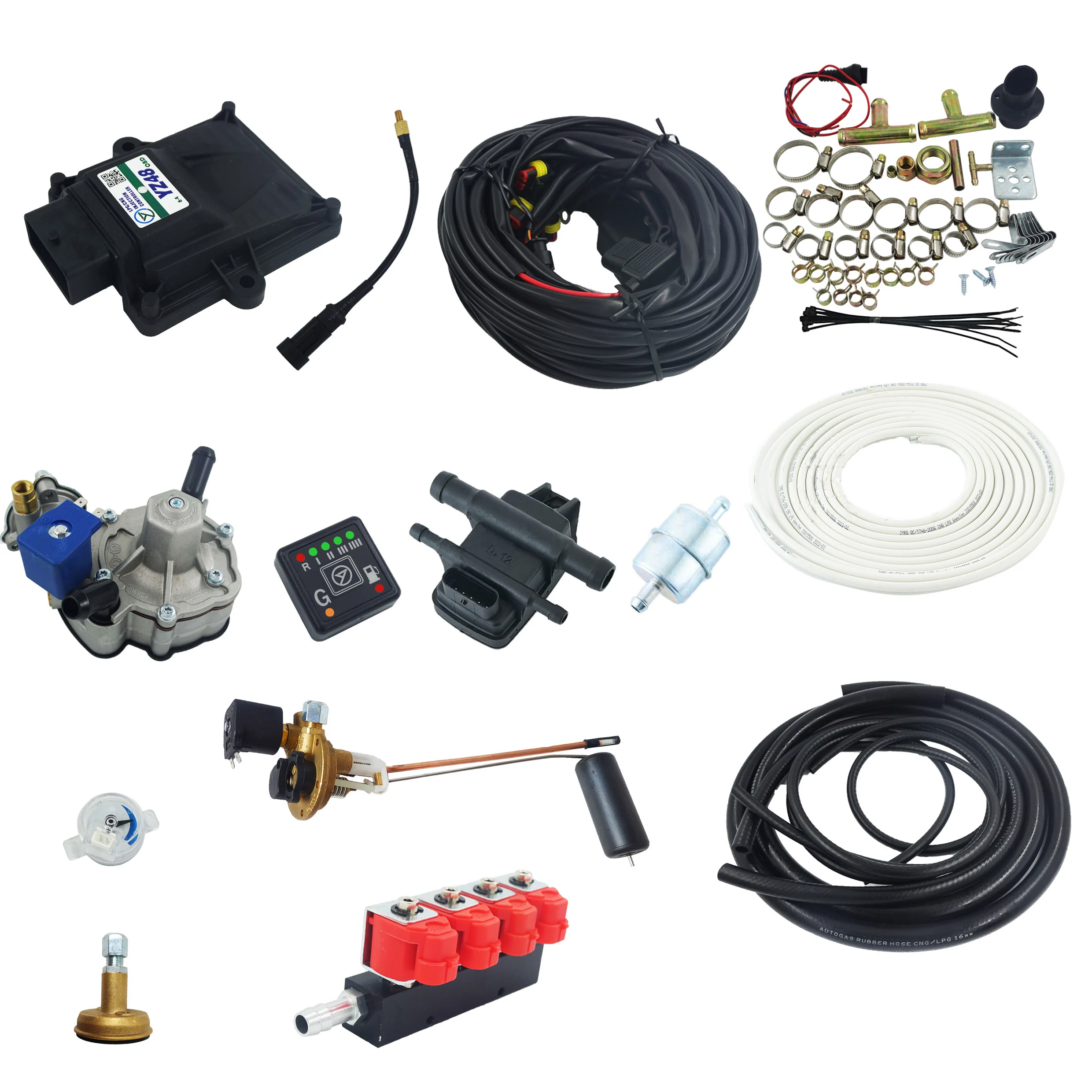
Its main specifications include:
|
Feature |
Specification |
|
ECU connector |
48 pins |
|
Supply voltage |
8–16V |
|
Engine configuration |
3 cylinders / 6 injectors or 4 cylinders / 8 injectors |
|
OBD function |
Yes |
|
Fuel type |
LPG |
However, these features do not mean the ECU supports every turbo engine.
Wuling Cortez CT 1.5 Turbo: An Example
The Wuling Cortez CT uses a 1.5-liter turbocharged petrol engine.
Before choosing a gas ECU, the workshop must check the exact engine version, injection type, and wiring signals.
Conversion may be possible when:
l The engine uses a supported injection system.
l The ECU supports the required signals.
l The reducer and injectors can meet fuel demand.
l Testing confirms stable operation under boost.
Conversion is not recommended when:
l The engine type is not supported.
l Gas pressure drops too far under load.
l The ECU cannot read the required signals.
l The vehicle has unresolved engine faults.
The Wuling Cortez CT is an example for technical review, not a confirmed plug-and-play application.
For YZ48-8D turbo compatibility, contact NGV-SC before ordering.
What to Check Before Turbo Calibration
Good calibration starts with the right parts.
Before tuning, technicians should check:
|
Part |
Key Check |
|
Gas ECU |
Engine signals and load support |
|
Pressure reducer |
Gas flow and pressure stability |
|
Injectors |
Correct flow capacity |
|
MAP sensor |
Required boost pressure range |
|
Temperature sensors |
Correct readings |
|
OBD |
Supported vehicle data |
|
Ignition system |
Spark plugs and coils |
|
Cooling system |
Normal operating temperature |
The reducer and injectors are especially important.
When boost rises, the engine needs more fuel. If the gas system cannot keep up, the engine may run too lean.
Therefore, technicians must confirm gas flow and pressure before tuning.
CNG LPG Turbo Calibration Tips for Technicians
Turbo engines need careful fuel control at both low and high loads.
Follow these general steps:
Step 1: Check petrol operation
Make sure the engine runs well on petrol. Fix fault codes, misfires, and cooling problems first.
Step 2: Check gas pressure and sensors
Confirm that the pressure, temperature, and MAP sensors show correct readings.
Step 3: Set up the gas ECU
Choose the correct cylinder count, injector settings, and supported functions.
Step 4: Test low-load driving
Check idle, light acceleration, and fuel switching.
Step 5: Check operation under boost
Qualified technicians should test higher-load conditions in a controlled setting. Monitor gas pressure, fuel mixture, and engine response.
Stop testing if fuel delivery becomes unstable.
Step 6: Check safety functions
Confirm fault warnings and return-to-petrol functions where supported.
These CNG LPG turbo calibration tips are general guidance. Always follow the ECU manufacturer's technical manual.
Important Notes for Turbo Car Owners
After conversion, drivers should follow the installer's instructions.
To keep the system working well:
l Use reliable CNG or LPG filling stations.
l Service the gas system on time.
l Replace filters when needed.
l Watch for engine warning lights.
l Avoid heavy loads if the gas system has a fault.
l Arrange an inspection if performance changes.
Also, remember that engine power and fuel use may differ between petrol and gas operation.
If the engine misfires, loses power, or overheats, stop using the gas system and seek professional help.
Common Turbo Autogas Conversion Mistakes
Several common mistakes can cause poor performance or engine problems.
Using a small reducer: It may not supply enough gas under boost.
Choosing the wrong injectors: Incorrect injector size can affect fuel control.
Ignoring boost pressure: The MAP sensor must cover the required pressure range.
Tuning only at idle: A turbo engine also needs checks under load.
Assuming all OBD ECUs support turbo engines: OBD support does not guarantee turbo compatibility.
Skipping vehicle tests: Always test the completed system before delivery.
Avoiding these turbo autogas conversion pitfalls helps workshops reduce installation problems and repeat repairs.
Get Full Technical Documents from NGV-SC
This guide covers general checks for turbo CNG/LPG conversion. It does not include full wiring diagrams, fuel maps, or vehicle-specific tuning values.
For detailed instructions, contact NGV-SC technical support.
Please provide:
l Vehicle make, model, and year
l Engine code and cylinder count
l MPI or GDI injection type
l Engine power and turbo details
l CNG or LPG fuel type
l Required ECU model
With this information, NGV-SC can review your project and discuss suitable product options.
Find the Right Turbo CNG/LPG Conversion Solution
A successful turbo conversion needs the right ECU, reducer, injectors, sensors, and calibration.
NGV-SC offers CNG/LPG control systems and OEM/ODM services for distributors, workshops, and automotive brands.
Whether you need an autogas ECU for turbocharged engine applications or a custom gas conversion solution, NGV-SC can help review your requirements.
Need help choosing a turbo CNG/LPG kit?
Visit NGV-SC to request technical support, product information, or an OEM/ODM quotation.


