LPG Conversion System for Gasoline Vehicles | Cost & Compatibility
News Details
As fuel costs continue to affect vehicle operating budgets, many vehicle owners and fleet operators are looking for practical alternatives to traditional gasoline. An LPG conversion system for cars can provide a way to run a gasoline vehicle on LPG while keeping the original gasoline system available.
However, not every vehicle is suitable for the same conversion kit. Engine type, cylinder count, injection system, ECU compatibility, installation quality, and local LPG standards all matter.
For businesses buying conversion equipment in volume, choosing the right LPG conversion kit manufacturer is equally important. A reliable supplier should offer stable products, technical support, and different solutions for different engine applications.
What Is an LPG Conversion System?
An LPG conversion system is a set of components that allows a gasoline vehicle to use liquefied petroleum gas as an alternative fuel.
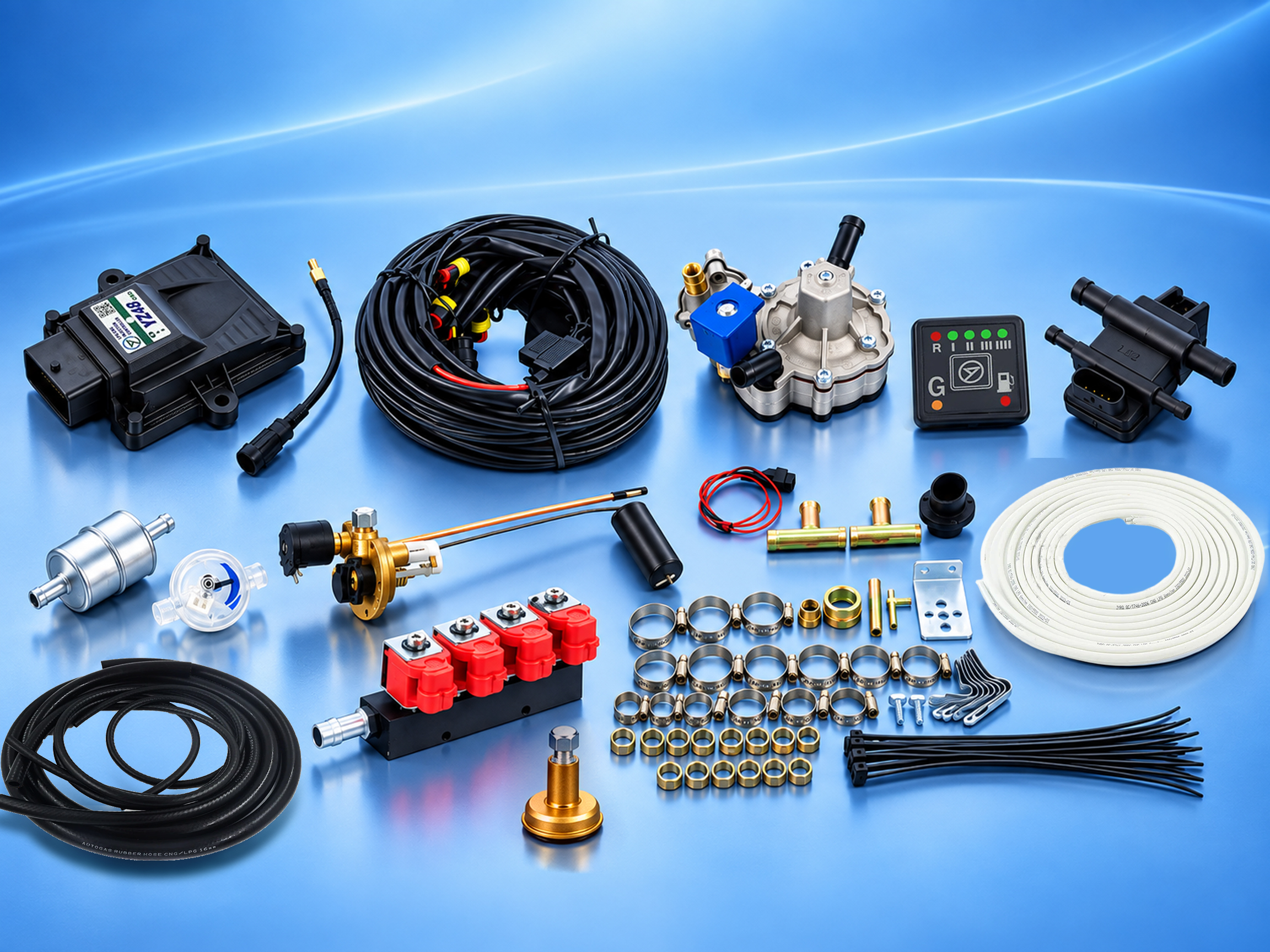
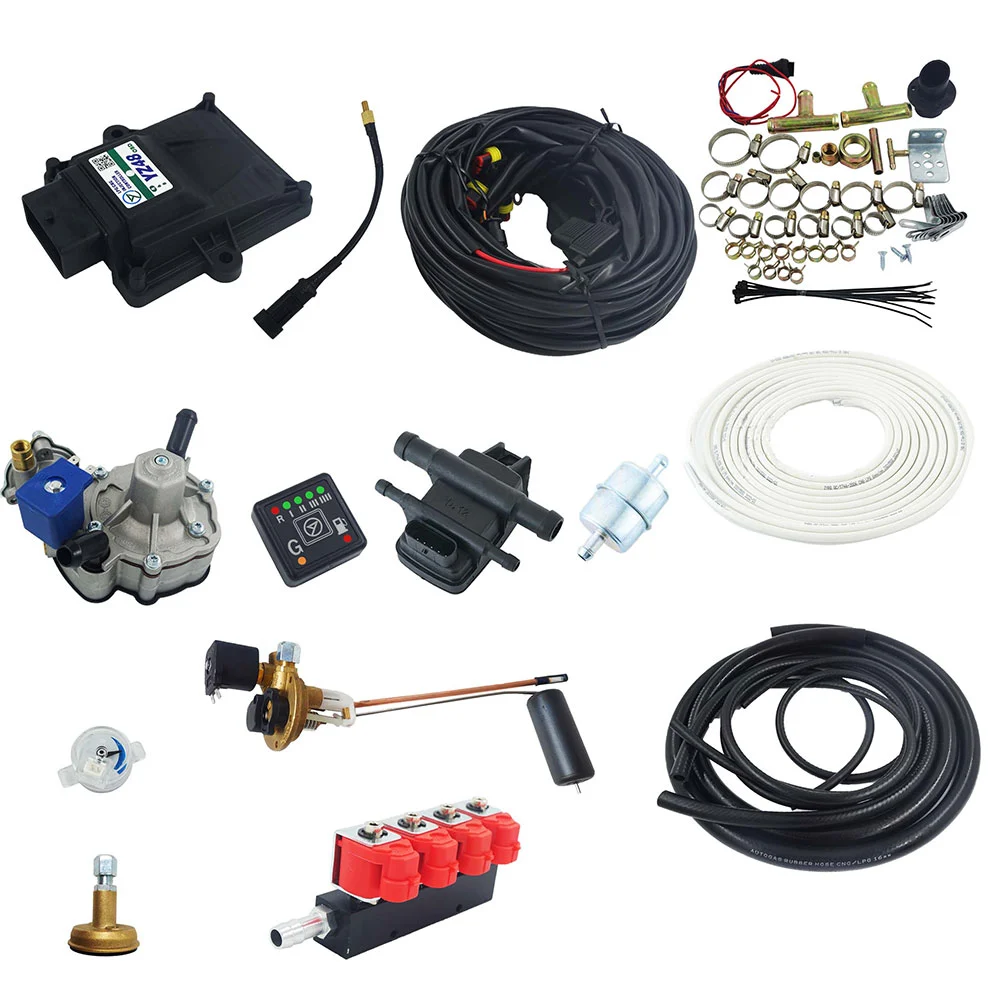
A typical LPG conversion system may include an electronic control unit (ECU), LPG regulator, injectors rail, sensors, change-over switch, wiring harness, filter, filling valve, multivalve, and related pipes and accessories.
The gas ECU communicates with the original vehicle’s engine system via OBD-II or CAN Line, monitors the petrol injection signals, mirroring the adjustments the vehicle’s engine management system makes, and calculates the accurate amount of LPG dosage equivalent to petrol in real time. As a result, the engine can perfectly run on LPG after switch into gas mode.
NGV-SC have gas systems both for Multi-point sequential injection and Gasoline direct injection engines.
How Does an LPG Retrofit Systemwork for Gasoline Engine?
An LPG retrofit system converts a gasoline-powered engine to run on liquefied petroleum gas (LPG), while retaining the original gasoline fuel system. The vehicle can switch between gasoline and LPG modes manually or automatically during operation.
LPG is stored in a dedicated gas tank mounted on the vehicle. When the engine starts, the system normally uses gasoline for cold startup. Once the engine reaches a preset operating temperature, the system automatically switches to LPG supply.
The LPG flows out of the tank and passes through a reducer. This component reduces the high pressure of LPG and uses engine coolant heat to convert LPG into gaseous fuel. The vaporized gas is then evenly delivered into the engine intake system.
The professional LPG ECU synchronously monitors engine speed, throttle position and oxygen sensor signals, precisely adjusting fuel supply in real time to maintain an optimal air-fuel ratio for stable combustion under all working conditions.
Once LPG is exhausted, the system seamlessly and automatically switches back to gasoline mode without stalling or power interruption.
Compared with pure gasoline operation, this LPG retrofit system cuts fuel costs, reduces carbon deposits and lowers exhaust emissions, while featuring simple structure, high safety and reliable operation, ideal for civilian and commercial vehicle refitting.
Next, the LPG injectors deliver gas to the engine. At the same time, the ECU receives information from sensors and, where supported, the original vehicle ECU through the OBD system.
How Much Does an LPG Conversion System Cost?
The cost of an LPG conversion system depends on vehicle type, system generation, component quality and local installation service charges.
For most gasoline-powered passenger cars and light commercial vehicles, the overall conversion cost is affordable and brings obvious long-term economic returns.
The main cost include:
1. LPG conversion system kits,
2. Certified LPG tanks,
3. Professional labor installation
4. Post-installation calibration
5. Safety inspection
High-quality standardized conversion kits and formal installation ensure long-term operational safety and stability, effectively avoiding additional maintenance costs caused by inferior accessories or unprofessional modification. Although LPG conversion requires a one-time upfront investment, it significantly reduces daily fuel expenses, shortens the cost recovery cycle and brings long-term economic benefits for private cars and commercial vehicles.
Does LPG Conversion Affect Vehicle Performance?
A professional, well-calibrated LPG conversion has minimal negative impact on overall vehicle performance and can even optimize engine operating conditions in the long run. Many vehicle owners worry about power loss, poor acceleration or engine instability after refitting, yet these issues rarely occur with genuine standard kits and professional installation.
Modern intelligent LPG conversion systems are equipped with precise ECU closed-loop control and OBD adaptive calibration functions.
For example, NGV-SC's YZ24 ECU is designed for 3- and 4-cylinder and YZ48 series ECUs are for 3cyl, 4cyl, 6cyl, 8cyl multi-point sequential injection (MPI) engines.
Besides, the qualified components like injectors rail, regulator, valves, sensors, and pipes have impact the engine stability and durability.
It is worth noting that unqualified low-cost kits and non-standard installation and debugging are the main causes of poor vehicle performance. Regular formal conversion and professional regular maintenance can completely guarantee stable vehicle power, reliable operation and excellent comprehensive performance while enjoying the economic and environmental advantages of LPG fuel.
LPG Conversion System Compatibility: What Should You Check?
LPG conversion compatibility is the core premise of safe, stable and long-term effective modification. Not all gasoline engines and vehicle conditions are suitable for LPG retrofitting.
Before purchasing an LPG conversion system for cars, check the following points.
1. Engine Type
The first step is identifying the engine's fuel-injection technology.
Most naturally aspirated multi-point injection gasoline engines are highly compatible with standard LPG conversion kits.
For turbocharged engines, direct-injection engines and high-compression-ratio engines, special upgraded LPG systems with high-pressure resistance and precise adaptive calibration are required.
Multi-point injection and gasoline direct-injection engines require different conversion solutions. NGV-SC, provides solutions for both MPI and GDI applications.
2.ECU matching
OBD Compatibility
The LPG ECU needs to be fully compatible with the original vehicle OBD protocol, oxygen sensor signals and fuel injection logic.
Cylinder
It requires LPG ECU matching to different cylinder number, injectors rail, etc. YZ24 LPG system is for 3- and 4-cylinder engines, while YZ48 systems are for 3, 4, 6, 8 cylinders engines.
3. Body space
The LPG tank requires fixed installation space in the trunk or spare tire position.
Users need to check whether the vehicle’s internal layout meets the installation standards, ensuring sufficient safe distance from heat sources and mechanical components.
4. Inspect accessory compatibility
Key components including reducers, injectors and wiring harnesses need to match the engine displacement and power range. Reasonable component matching can prevent insufficient gas supply under high load, gas leakage and system overheating problems.
5. Local Regulations
LPG equipment must meet the safety and certification requirements of the target market.
Therefore, installers and distributors should confirm local requirements before selecting components or planning large-volume orders.
Featured Product: NGV-SC YZ48-8D OBD LPG Conversion System
For businesses looking for a complete LPG retrofit system for gasoline engine applications, the YZ48-8D OBD LPG Conversion System from NGV-SC is one option to consider, which is designed for 3-cylinder with 6 injectors, 4 cylinder with 8 injectors multipoint sequential injection engines.
The system includes a YZ48-8D OBD ECU control unit, change-over switch, wiring harness, level sensor, temperature sensor, regulator, injectors rail, filling valve, filter, high-pressure pipe, multivalve, gas pipe, and accessories.
This dedicated LPG retrofit kit features strong compatibility, intelligent adaptive calibration, stable operation and outstanding cost performance, perfectly matching civilian passenger cars and light commercial 4-cyl gasoline engines.
View the NGV-SC YZ48-8D OBD LPG Conversion System
Why LPG Conversion Systems Are Suitable for Taxi Fleets
LPG conversion systems have become the preferred retrofitting solution for taxi fleets worldwide, perfectly matching the high-mileage, long-hour and high-frequency operating characteristics of taxi vehicles.
The most prominent benefit is significant fuel cost reduction.
For fleet operators, the most important factors include:
Fuel cost reduction
Stable and durable LPG system
Reliable ECU performance
Low maintenance costs
Eco-friendly
Installer support
Consistent product quality
Besides, LPG-converted taxis also guarantee a comfortable riding experience for passengers, balancing economic benefits, and market competitiveness for fleet businesses.
How to chooseLPG Conversion Kit Manufacturer?
Choosing an LPG conversion kit manufacturer is an important step for distributors, installers, and fleet solution providers.
Choosing a reliable LPG conversion kit manufacturer is critical to product stability, installation compatibility, after-sales support and long-term operational safety.
Many buyers prioritize low prices while ignoring manufacturer qualifications, technical strength and product standardization, which may lead to system failure, poor vehicle matching and continuous after-sales problems.
Therefore, multiple core factors should be evaluated when selecting a qualified manufacturer.
1. Professional qualifications and product certification
2. R&D capability
3. Product quality consistency
4. After-sales service and technical support capabilities
NGV-SC focuses on CNG/LPG control systems and offers OEM and ODM customization for automotive gas-control applications. The company states that its team has more than 20 years of experience in clean-energy control systems and provides solutions for customized applications.
Its LPG product range includes systems for different cylinder configurations, with options such as OBD-equipped ECUs, regulators, injector rails, wiring harnesses, and other conversion components.
Explore NGV-SC LPG Conversion Systems
LPG Conversion System Wholesale for Distributors and Installers
For companies purchasing conversion kits in larger quantities, wholesale sourcing can offer several advantages.
First, it can provide more consistent product specifications across different installation projects.
Second, direct cooperation with a manufacturer can make technical communication easier.
Finally, OEM or ODM services may allow distributors to develop products for specific markets.
Before placing an LPG conversion system wholesale order, buyers should confirm engine type, ECU functions, component configuration, certification needs, packaging, minimum order quantity, lead time, and technical support.
A clear product specification at the beginning can prevent compatibility problems later.
Final Thoughts
An LPG conversion system can turn a suitable gasoline vehicle into a flexible dual-fuel vehicle. However, the best results depend on choosing the correct system for the engine and completing professional installation and calibration.
For car owners, taxis, fleet operators, installers, and distributors, the key is not simply finding the lowest-cost kit. Instead, consider compatibility, ECU control, component quality, technical support, and long-term supply.
With a range of LPG systems for different engine configurations and OEM/ODM capabilities, NGV-SC provides conversion solutions for businesses looking to develop or source reliable automotive LPG systems.


